



Latest News
NCAA’s 5-Year Clock Survives Another Court Test, and It’s a Big Deal for the “No-Redshirt” Guys


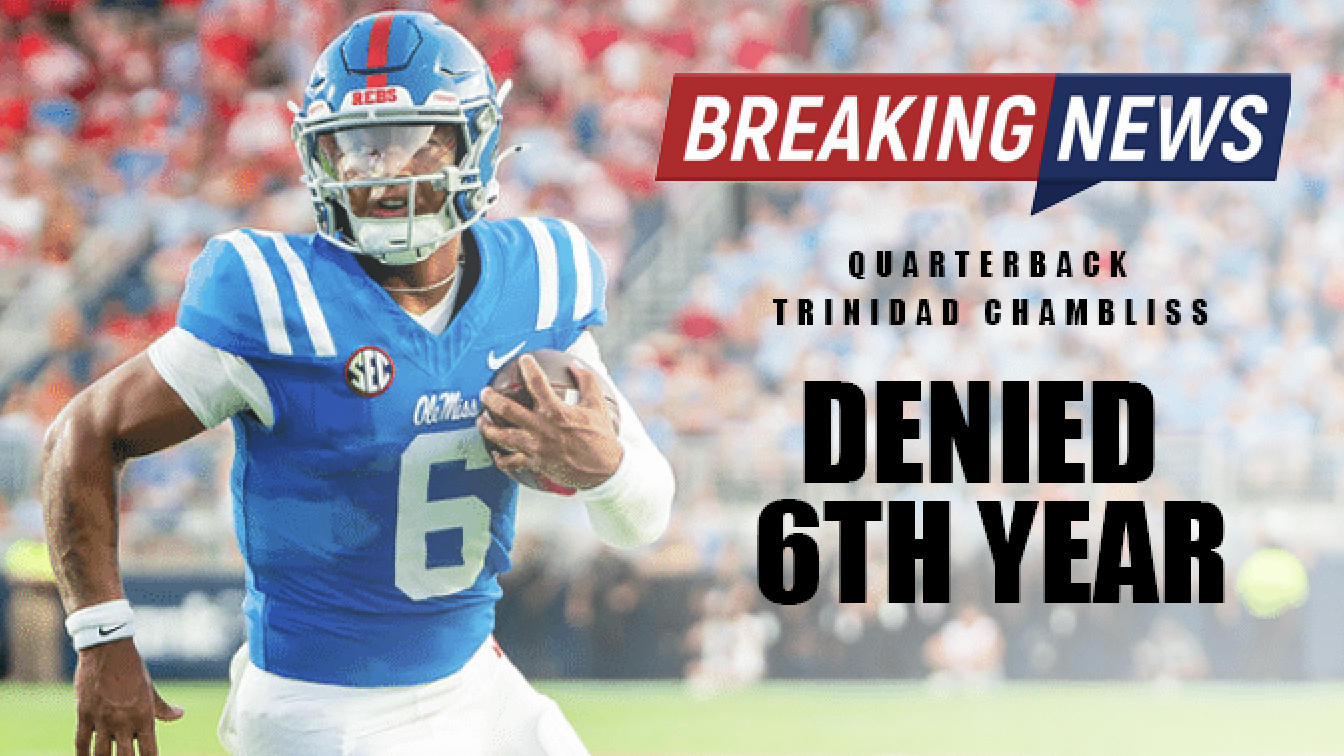
On Thursday, January 15, 2026, U.S. District Judge William L. Campbell (Middle District of Tennessee) denied a request from five FBS players for a preliminary injunction. They wanted to be eligible to play a fifth season in 2026–27, even though they had already played four straight seasons without a redshirt year.
The players at the center of the request:
- Langston Patterson, LB (Vanderbilt)
- Nathanial Vakos, K (Wisconsin)
- Lance Mason, TE (Wisconsin)
- Nick Levy, LS (Wisconsin)
- Kevin Gallic, LS (Nebraska)
The denial does not end the larger lawsuit, but it means these players will not get emergency clearance to play while the class-action case continues. In terms of next steps, athletes may continue supporting the lawsuit, explore transferring to a league with more favorable eligibility rules, or pursue an NCAA waiver if new circumstances or evidence arise. Understanding these potential routes is crucial for athletes in similar situations to plan and protect their athletic careers.
What are the specific antitrust claims being made against the NCAA in this case?
According to AP News, five college football players, including Vanderbilt’s Langston Patterson, filed a lawsuit seeking a preliminary injunction to play a fifth season in 2026. The players argue that NCAA eligibility rules, including the “Five-Year Rule” and the redshirt exception, violate antitrust laws by unfairly limiting their ability to compete.
Procedurally, the judge treats this as a “rule of reason” case. The players argue the NCAA’s eligibility rules restrain trade and limit opportunities, while the NCAA argues the rules are necessary to preserve fair competition in college sports.
NCAA’s key arguments (as summarized)
- Market definition and proof critiques: The NCAA challenged the plaintiffs’ market definition and argued that their economic analysis was insufficient.
- Line-drawing and ripple effects: The NCAA argued the requested change would shift the eligibility line for these plaintiffs without demonstrating meaningful market-wide effects.
- System impacts: The NCAA argued a “five-in-five” approach could reduce opportunities for graduating high school seniors, weaken incentives to graduate in four years, and disadvantage athletes who used a redshirt year.
- Administrative burden: The NCAA argued that broader exceptions could increase processing costs and staffing needs.
The judge ultimately found the players did not make the required clear showing of likely success at this early stage, especially on whether the NCAA’s goals could be achieved through substantially less restrictive alternatives.


What This Really Means for Under-Recruited Athletes
Imagine a day in the life of Jamie, an under-recruited linebacker at a mid-tier FBS school. Every morning, Jamie wakes up before dawn to hit the weight room—often alone or with a few committed teammates. Knowing his time on the field may be limited, he studies tape between classes, aware that every practice and game is an opportunity to prove himself. Yet the reality of running out of eligibility without ever being redshirted hangs over him like a cloud.
Five-star prospects often:
- Redshirt by design
- Transfer with leverage
- Receive waivers, exceptions, or immediate NIL value
Under-recruited athletes often:
- Play early because their team needs them
- Never redshirt
- Max out eligibility quietly
- Do everything “right” and still run out of time
This case wasn’t about stars chasing extra seasons. It was about players like Jamie who used every year they had, without safety nets. The ruling highlights a harsh reality: the system still rewards projection over production.
Final Word
The NCAA may have won this round, but the larger fight over eligibility, pay, and athlete rights is far from over. As always, the athletes most affected are not the ones with the loudest voices—they are the ones who showed up every year, played through everything, and quietly ran out of time.

